



Have you noticed a dark, unsightly shadow forming at the base of your tooth where the gum meets your dental crown? You are not alone. A black gum line around crown is a frequent concern for patients who have undergone restorative dental work. While it can be alarming to see, it is often a manageable issue.
In this article, we will explore why this discoloration happens, whether it is a cause for medical concern, and the steps you can take to restore your smile’s natural appearance.
Understanding the "Black Gum Line" Phenomenon
When a dentist places a crown—a "cap" that covers a damaged or decayed tooth—they aim for a seamless blend with your natural smile. However, over time, some patients notice a dark line appearing at the gum margin. This is rarely a sign of decay on the tooth itself; rather, it is usually a reaction to the materials used in the crown or changes in the surrounding gum tissue.
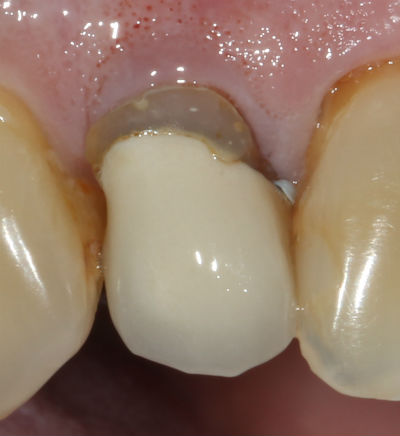
Why Does a Black Gum Line Occur?
There are several reasons why a dark line might appear around your dental crown. Identifying the cause is the first step toward finding the right solution.
1. The Use of Porcelain-Fused-to-Metal (PFM) Crowns
The most common culprit is the material of the crown itself. Many traditional crowns are made of porcelain fused to a metal base (PFM). The porcelain provides the tooth-like color, while the metal provides structural strength.
Over time, two things can happen:
Your gums are dynamic tissue. Over time, they can recede due to aggressive brushing, periodontal (gum) disease, or simply the natural aging process. When gums recede, they pull away from the crown, exposing the margin where the crown meets the tooth root. If the crown has a metal substructure, this exposed margin will look like a dark line.
3. Tooth Decay at the Margin
While less common, a black line can occasionally indicate recurrent decay. If the seal between the crown and the natural tooth structure is compromised, bacteria can enter and cause decay underneath the crown. This decay often appears dark or black. This is a serious issue that requires immediate attention from your dentist.
4. Shadowing or "Grey Tooth"
Sometimes, the tooth underneath the crown has become discolored (often due to a previous root canal). If the crown is made of a translucent material, that dark underlying tooth structure can show through the gum tissue, creating the illusion of a black gum line.
>>> See more: https://dentalinvietnam.com/black-gum-line-around-crown/
Is a Black Gum Line Dangerous?
In many cases, a black gum line is purely an aesthetic issue. If your dentist confirms that the crown is still structurally sound and there is no decay, you may choose to leave it alone.
However, you should never ignore it without a professional evaluation. If the black line is caused by gum disease or recurrent decay, delaying treatment could lead to:
If the dark line is bothering you, modern dentistry offers several effective solutions to restore your smile.
1. Replacing with All-Ceramic or Zirconia Crowns
The most effective long-term solution is to replace the old PFM crown with a modern, metal-free alternative.
If the black line is the result of significant gum recession, your dentist or a periodontist may recommend a gum graft. This procedure involves taking a small amount of tissue from another part of your mouth and grafting it over the exposed area to cover the dark margin and restore your gumline to its original position.
3. Laser Gum Contouring
In some cases, if the gum recession is minor, a dentist can use a dental laser to reshape the gum tissue. This can sometimes make the transition between the gum and the crown appear more natural, though this is usually reserved for specific clinical situations.

Prevention: Maintaining Your Crowns
While you cannot always prevent the natural aging of your gums, you can take steps to keep your crowns and gums healthy for as long as possible:
The first step is always a professional consultation. Your dentist can determine if the issue is cosmetic or structural and help you decide on the best path forward—whether that is replacing the crown with a modern, metal-free version or addressing the underlying gum health. Don't let a dark line detract from your confidence; reach out to your dentist today and take the first step toward a seamless, healthy smile.
Frequently Asked Questions (FAQ)
Q: Will a black gum line go away on its own?
A: No. Once the metal edge of a PFM crown is exposed or the gum tissue has receded, it will not spontaneously return to its original position. You will need to consult a dentist for a solution.
Q: Is a black gum line a sign of cancer?
A: Generally, no. A black gum line is typically related to dental materials or gum recession. However, if you notice a dark spot that is growing, changing shape, or bleeding, you should see a dentist immediately to rule out any other oral health issues.
Q: Can I whiten a tooth that has a crown?
A: No. Dental crowns do not respond to teeth whitening agents. If your natural teeth are stained and you want to match them to your crown, you should whiten your natural teeth before having a new crown made, so the dentist can color-match the crown to your new, brighter smile.
Q: How long do crowns usually last?
A: With proper care, a well-made crown can last anywhere from 10 to 15 years, or even longer. Regular checkups are the best way to ensure your crown remains in good condition.
>>> See more: https://hoasu6018.wixsite.com/denta...-crown-care-how-long-do-porcelain-crowns-last
In this article, we will explore why this discoloration happens, whether it is a cause for medical concern, and the steps you can take to restore your smile’s natural appearance.
Understanding the "Black Gum Line" Phenomenon
When a dentist places a crown—a "cap" that covers a damaged or decayed tooth—they aim for a seamless blend with your natural smile. However, over time, some patients notice a dark line appearing at the gum margin. This is rarely a sign of decay on the tooth itself; rather, it is usually a reaction to the materials used in the crown or changes in the surrounding gum tissue.
Why Does a Black Gum Line Occur?
There are several reasons why a dark line might appear around your dental crown. Identifying the cause is the first step toward finding the right solution.
1. The Use of Porcelain-Fused-to-Metal (PFM) Crowns
The most common culprit is the material of the crown itself. Many traditional crowns are made of porcelain fused to a metal base (PFM). The porcelain provides the tooth-like color, while the metal provides structural strength.
Over time, two things can happen:
- The Metal Core: If the gum tissue recedes slightly, the metal edge of the crown (which sits just below the gumline) becomes exposed. Because the metal is dark, it appears as a thin black or gray line.
- Metal Oxidation: In some cases, the metal base can oxidize, leading to a grayish discoloration that shows through the thinner gum tissue.
Your gums are dynamic tissue. Over time, they can recede due to aggressive brushing, periodontal (gum) disease, or simply the natural aging process. When gums recede, they pull away from the crown, exposing the margin where the crown meets the tooth root. If the crown has a metal substructure, this exposed margin will look like a dark line.
3. Tooth Decay at the Margin
While less common, a black line can occasionally indicate recurrent decay. If the seal between the crown and the natural tooth structure is compromised, bacteria can enter and cause decay underneath the crown. This decay often appears dark or black. This is a serious issue that requires immediate attention from your dentist.
4. Shadowing or "Grey Tooth"
Sometimes, the tooth underneath the crown has become discolored (often due to a previous root canal). If the crown is made of a translucent material, that dark underlying tooth structure can show through the gum tissue, creating the illusion of a black gum line.
>>> See more: https://dentalinvietnam.com/black-gum-line-around-crown/
Is a Black Gum Line Dangerous?
In many cases, a black gum line is purely an aesthetic issue. If your dentist confirms that the crown is still structurally sound and there is no decay, you may choose to leave it alone.
However, you should never ignore it without a professional evaluation. If the black line is caused by gum disease or recurrent decay, delaying treatment could lead to:
- Loss of the crown.
- Infection of the tooth root.
- The need for more invasive procedures, such as a root canal or tooth extraction.
- If you experience pain or sensitivity around the crown.
- If the gum tissue is red, swollen, or bleeding.
- If the crown feels loose or "wobbly."
- If you notice a foul taste or odor coming from the area.
If the dark line is bothering you, modern dentistry offers several effective solutions to restore your smile.
1. Replacing with All-Ceramic or Zirconia Crowns
The most effective long-term solution is to replace the old PFM crown with a modern, metal-free alternative.
- All-Ceramic Crowns: These are made entirely of porcelain or ceramic. Because there is no metal core, there is no dark edge to show through if the gums recede slightly.
- Zirconia Crowns: Zirconia is an incredibly strong, tooth-colored material. It is highly durable and offers a natural, aesthetic appearance that eliminates the "black line" risk entirely.
If the black line is the result of significant gum recession, your dentist or a periodontist may recommend a gum graft. This procedure involves taking a small amount of tissue from another part of your mouth and grafting it over the exposed area to cover the dark margin and restore your gumline to its original position.
3. Laser Gum Contouring
In some cases, if the gum recession is minor, a dentist can use a dental laser to reshape the gum tissue. This can sometimes make the transition between the gum and the crown appear more natural, though this is usually reserved for specific clinical situations.
Prevention: Maintaining Your Crowns
While you cannot always prevent the natural aging of your gums, you can take steps to keep your crowns and gums healthy for as long as possible:
- Practice Excellent Oral Hygiene: Brush twice a day with a soft-bristled toothbrush and floss daily. Removing plaque at the gumline is essential to prevent gum recession and periodontal disease.
- Avoid Aggressive Brushing: Using too much force can wear down your gums over time. Use gentle, circular motions.
- Regular Dental Checkups: Visit your dentist every six months. They can identify early signs of gum recession or marginal leakage before they become visible problems.
- Choose the Right Materials: If you are getting a new crown, discuss your options with your dentist. Ask specifically for metal-free options like zirconia or lithium disilicate (E-max) to avoid the risk of a black gum line in the future.
The first step is always a professional consultation. Your dentist can determine if the issue is cosmetic or structural and help you decide on the best path forward—whether that is replacing the crown with a modern, metal-free version or addressing the underlying gum health. Don't let a dark line detract from your confidence; reach out to your dentist today and take the first step toward a seamless, healthy smile.
Frequently Asked Questions (FAQ)
Q: Will a black gum line go away on its own?
A: No. Once the metal edge of a PFM crown is exposed or the gum tissue has receded, it will not spontaneously return to its original position. You will need to consult a dentist for a solution.
Q: Is a black gum line a sign of cancer?
A: Generally, no. A black gum line is typically related to dental materials or gum recession. However, if you notice a dark spot that is growing, changing shape, or bleeding, you should see a dentist immediately to rule out any other oral health issues.
Q: Can I whiten a tooth that has a crown?
A: No. Dental crowns do not respond to teeth whitening agents. If your natural teeth are stained and you want to match them to your crown, you should whiten your natural teeth before having a new crown made, so the dentist can color-match the crown to your new, brighter smile.
Q: How long do crowns usually last?
A: With proper care, a well-made crown can last anywhere from 10 to 15 years, or even longer. Regular checkups are the best way to ensure your crown remains in good condition.
>>> See more: https://hoasu6018.wixsite.com/denta...-crown-care-how-long-do-porcelain-crowns-last
Bài tương tự bạn quan tâm
Can You Lay Down After Botox? The 4-Hour Rule Explained
- Thread starter AestheticSurgery
- Ngày bắt đầu
Can I Wash My Face After Botox? Essential Aftercare...
- Thread starter AestheticSurgery
- Ngày bắt đầu
Orthodontic Headgear — What It Is, How It Works...
- Thread starter DentalinVietNam
- Ngày bắt đầu
How Much Does Under Eye Filler Cost? Average Price...
- Thread starter AestheticSurgery
- Ngày bắt đầu
Hành trình rực màu cùng thế hệ Why not chinh phục...
- Thread starter Mr LNA
- Ngày bắt đầu
What Can Any Essay Reviser Tool Really Do and Why...
- Thread starter Mike20
- Ngày bắt đầu
