



Root canals are a common dental procedure aimed at saving teeth affected by infection or severe decay. While they can effectively alleviate pain and prevent tooth loss, many patients often wonder, "What are the downsides of a root canal?" This article will explore the potential disadvantages, helping you make an informed decision about your dental health.
Understanding Root Canals
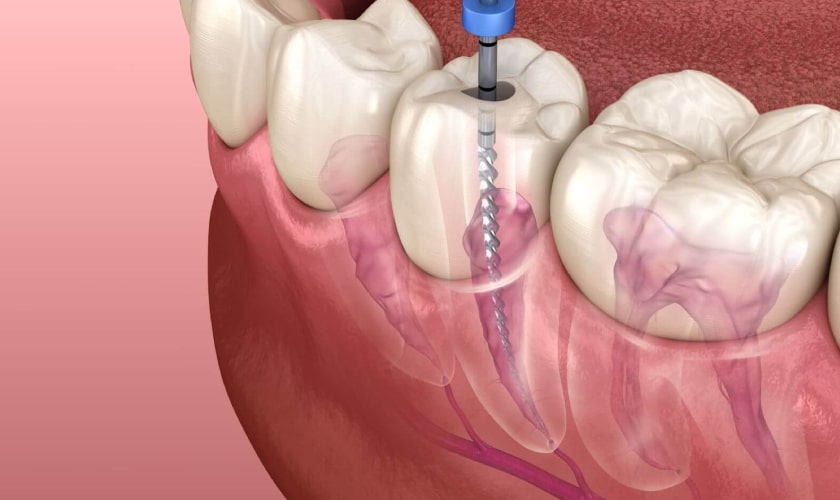
Before examining the downsides, it’s essential to understand what a root canal entails. The procedure involves removing the infected or damaged pulp from within a tooth, cleaning out the canals, and sealing them to prevent further issues. While this procedure can save a tooth that might otherwise need to be extracted, it’s not without its potential drawbacks.
See more: https://dentalinvietnam.com/root-canal-treatment-in-vietnam/
Common Downsides of a Root Canal
1. Discomfort During and After the Procedure
While a root canal is usually performed under local anesthesia, some patients do report feeling discomfort during the procedure. Post-operative soreness is also common, lasting from a few days to a week.

2. Risk of Infection
Despite being a treatment aimed at eliminating infection, there is still a risk of new infections developing after the procedure. Possible causes include:
Once the pulp is removed, the tooth may become weaker and more susceptible to fractures. This weakness often necessitates additional procedures, such as:
Many root canals require more than one visit to complete. The first visit usually involves cleaning the canals, and a follow-up visit is needed for filling and crown placement.
Root canals can be expensive, and many dental insurance plans may not cover the entire cost. Factors influencing the price include:
The thought of undergoing a root canal can cause significant anxiety for some patients. Even if the procedure is relatively painless, the fear of the unknown can lead to emotional distress.
While root canals are generally safe, there are potential complications, including:
Comparing Alternatives
When considering a root canal, it’s helpful to weigh the downsides against potential alternatives, such as:
See more: https://dentalknowledge.mystrikingl...r-root-canal-a-complete-guide/i/view_as_owner
Understanding Root Canals
Before examining the downsides, it’s essential to understand what a root canal entails. The procedure involves removing the infected or damaged pulp from within a tooth, cleaning out the canals, and sealing them to prevent further issues. While this procedure can save a tooth that might otherwise need to be extracted, it’s not without its potential drawbacks.
See more: https://dentalinvietnam.com/root-canal-treatment-in-vietnam/
Common Downsides of a Root Canal
1. Discomfort During and After the Procedure
While a root canal is usually performed under local anesthesia, some patients do report feeling discomfort during the procedure. Post-operative soreness is also common, lasting from a few days to a week.
- Consideration: Pain management may involve over-the-counter medications, but in some cases, prescription pain relievers may be necessary.
2. Risk of Infection
Despite being a treatment aimed at eliminating infection, there is still a risk of new infections developing after the procedure. Possible causes include:
- Inadequate cleaning: If the canals are not entirely cleaned, bacteria may remain.
- New decay: If a tooth is not adequately sealed afterward, it can lead to new cavities.
- Consideration: Maintaining good oral hygiene and attending follow-up visits can help mitigate this risk.
Once the pulp is removed, the tooth may become weaker and more susceptible to fractures. This weakness often necessitates additional procedures, such as:
- Crowning: To restore strength and function, a crown is often placed over a treated tooth.
- Consideration: Regular check-ups will help monitor the integrity of the tooth.
Many root canals require more than one visit to complete. The first visit usually involves cleaning the canals, and a follow-up visit is needed for filling and crown placement.
- Consideration: This can be inconvenient for patients with busy schedules, as multiple appointments can disrupt daily life.
Root canals can be expensive, and many dental insurance plans may not cover the entire cost. Factors influencing the price include:
- The dentist’s fees
- Diagnostic imaging (X-rays)
- Follow-up procedures like crowns
- Consideration: It’s wise to check with your insurance provider and discuss payment plans with your dentist.
The thought of undergoing a root canal can cause significant anxiety for some patients. Even if the procedure is relatively painless, the fear of the unknown can lead to emotional distress.
- Consideration: Speaking openly with your dentist about your fears can help develop a personalized plan to ease your anxiety, including sedation dentistry options if necessary.
While root canals are generally safe, there are potential complications, including:
- Perforation of the tooth: Accidental damage can occur during cleaning, leading to further treatment.
- Nerve damage: In rare cases, surrounding nerves might be affected, causing pain or discomfort.
- Consideration: Choosing an experienced dentist can significantly reduce the risk of complications.
Comparing Alternatives
When considering a root canal, it’s helpful to weigh the downsides against potential alternatives, such as:
- Tooth Extraction: Removing the tooth can be a quicker solution, but it often leads to orthodontic issues and requires replacements like implants or bridges.
- Endodontic Retreatment: If a root canal fails, retreatment can be possible but carries its own risks and costs.
See more: https://dentalknowledge.mystrikingl...r-root-canal-a-complete-guide/i/view_as_owner
Bài tương tự bạn quan tâm
What Are the 3 Types of Dental X-rays?
- Thread starter DentalinVietNam
- Ngày bắt đầu
How Long Can Porcelain Crowns Last? Understanding...
- Thread starter DentalinVietNam
- Ngày bắt đầu
Are Veneers Painful to Get? Understanding the Process
- Thread starter DentalinVietNam
- Ngày bắt đầu
“Detox” tủ đồ cùng chiến dịch Mottainai...
- Thread starter Mr LNA
- Ngày bắt đầu
What Can Any Essay Reviser Tool Really Do and Why...
- Thread starter Mike20
- Ngày bắt đầu
