



In the field of advanced implantology, the success of a titanium restoration is determined by the "bone-to-implant contact" (BIC) and the management of occlusal forces. Recently, I have been examining the question of what are mini dental implants through a biomechanical lens, specifically focusing on how their narrow geometry affects stress distribution in the alveolar bone. While these fixtures were originally designed as temporary anchors for orthodontic movement, their evolution into long-term prosthetic stabilizers has necessitated a closer look at their fatigue resistance and surgical placement protocols.
When we analyze what are mini dental implants, we must look at the "one-piece" design. Unlike traditional implants that have a separate abutment and screw, MDIs are typically a single unit. This eliminates the "micro-gap" where bacteria usually colonize, which is a significant clinical advantage. However, the narrow diameter—often ranging from 1.8mm to 2.4mm—means the metal itself must be made of high-strength Grade 5 titanium alloy to prevent structural fracture under the repetitive loads of chewing.
The Bio-Chemistry of Primary Stability in Atrophic Bone
The primary driver of concern when discussing these narrow fixtures is the "surface area" available for osseointegration. From a technical standpoint, the choice of a mini system is often a response to limited horizontal bone width. If you are interested in the broader infrastructure of dental care and how clinics manage these restorative stages, you can look into this data:
See more: https://storyhealthyliving.weebly.c...linical-data-on-what-are-mini-dental-implants
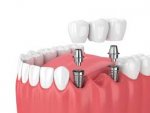 Factors influencing the structural stability of narrow fixtures:
Read more: https://dentalinvietnam.com/mini-dental-implants/
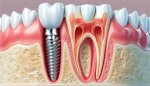 Furthermore, organizations like the Mayo Clinic often point out that "secondary stability"—the bone actually growing into the metal—takes time, even if the denture feels tight on day one. Therefore, for patients with compromised bone metabolism, the use of these fixtures is a strategic clinical decision that requires a specialized follow-up schedule.
Professional Disclaimer: This clinical analysis is for informational purposes and should not be used as a substitute for a diagnosis from a qualified dentist. All dental implants carry inherent surgical risks, including infection and nerve trauma. Always seek a professional consultation before undergoing treatment.
When we analyze what are mini dental implants, we must look at the "one-piece" design. Unlike traditional implants that have a separate abutment and screw, MDIs are typically a single unit. This eliminates the "micro-gap" where bacteria usually colonize, which is a significant clinical advantage. However, the narrow diameter—often ranging from 1.8mm to 2.4mm—means the metal itself must be made of high-strength Grade 5 titanium alloy to prevent structural fracture under the repetitive loads of chewing.
The Bio-Chemistry of Primary Stability in Atrophic Bone
The primary driver of concern when discussing these narrow fixtures is the "surface area" available for osseointegration. From a technical standpoint, the choice of a mini system is often a response to limited horizontal bone width. If you are interested in the broader infrastructure of dental care and how clinics manage these restorative stages, you can look into this data:
See more: https://storyhealthyliving.weebly.c...linical-data-on-what-are-mini-dental-implants
- Thread Pitch: Deeper threads are required to compensate for the smaller diameter.
- Bicortical Engagement: Engaging the hard outer layer of the bone to provide instant "snugness."
- Lateral Force Management: MDIs are excellent for vertical loads (dentures) but can struggle with lateral loads (single crowns in the back).
Read more: https://dentalinvietnam.com/mini-dental-implants/
Professional Disclaimer: This clinical analysis is for informational purposes and should not be used as a substitute for a diagnosis from a qualified dentist. All dental implants carry inherent surgical risks, including infection and nerve trauma. Always seek a professional consultation before undergoing treatment.
Bài tương tự bạn quan tâm
Transform Your Look: Why Laser Blepharoplasty is...
- Thread starter AestheticSurgery
- Ngày bắt đầu
The hidden dangers of "Ignoring the Fit" with...
- Thread starter Shark Dental Clinic
- Ngày bắt đầu
A Global Look at success rates and whether can you...
- Thread starter Shark Dental Clinic
- Ngày bắt đầu
The hidden dangers when you choose a "Cheap"...
- Thread starter Shark Dental Clinic
- Ngày bắt đầu
The hidden dangers when you try scaling teeth at...
- Thread starter Shark Dental Clinic
- Ngày bắt đầu
A Biomechanical Analysis of Soft Tissue Shaping...
- Thread starter Shark Dental Clinic
- Ngày bắt đầu
