



Orthodontic headgear is a specialized appliance used by orthodontists to correct jaw and tooth alignment issues that braces alone cannot fully address. Although less common today than in past decades, headgear remains a powerful tool for guiding facial growth, correcting severe bite problems, and improving long-term treatment outcomes.
What Is Orthodontic Headgear?
Orthodontic headgear is an external appliance that attaches to braces or bands inside the mouth and uses straps, bows, or helmets around the head or neck to apply controlled force. The device redirects growth and tooth movement by applying steady pressure to teeth and jawbones. There are several headgear types, each designed for specific movement directions and patient needs.
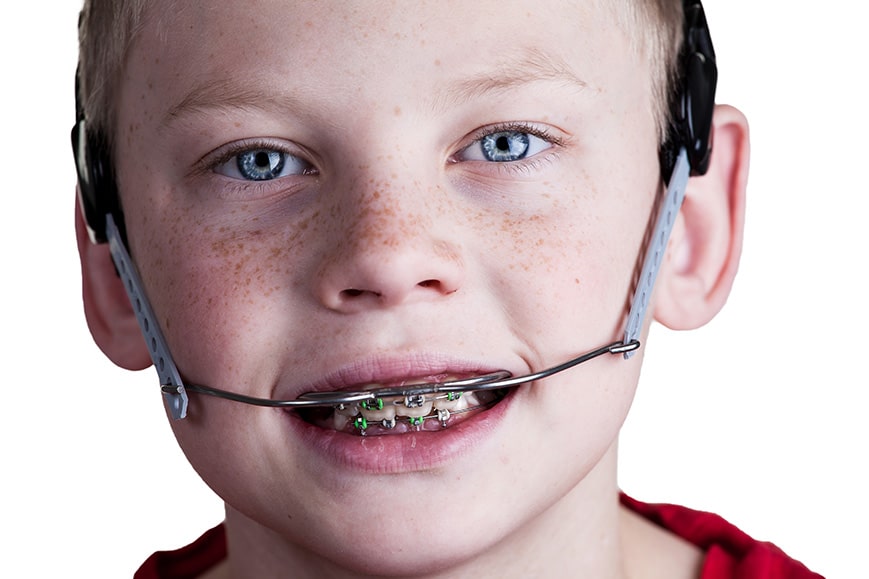
Types of Orthodontic Headgear
Why Orthodontic Headgear Is Used
Headgear is most effective in growing children and adolescents whose jaws are still developing. Ideal candidates include:
Headgear applies consistent, gentle force over time. The internal attachment (usually to molar bands or brackets) transmits this force to the teeth and supporting bone. For growing patients, the controlled pressure alters growth patterns of the jawbones, encouraging desirable changes in bone remodeling and tooth position. Success depends on correct design, precise adjustments by the orthodontist, and patient compliance.
Wearing Schedule and Compliance
Orthodontic headgear is most effective when worn as prescribed. Typical wear times range from 12 to 14 hours per day, often overnight and during after-school hours. Less wear time reduces effectiveness and can prolong treatment. Clear communication with the orthodontist about progress, discomfort, or lifestyle concerns helps maintain adherence.
Comfort, Safety, and Practical Tips
Modern orthodontics offers alternatives that may reduce or eliminate the need for headgear in some cases:
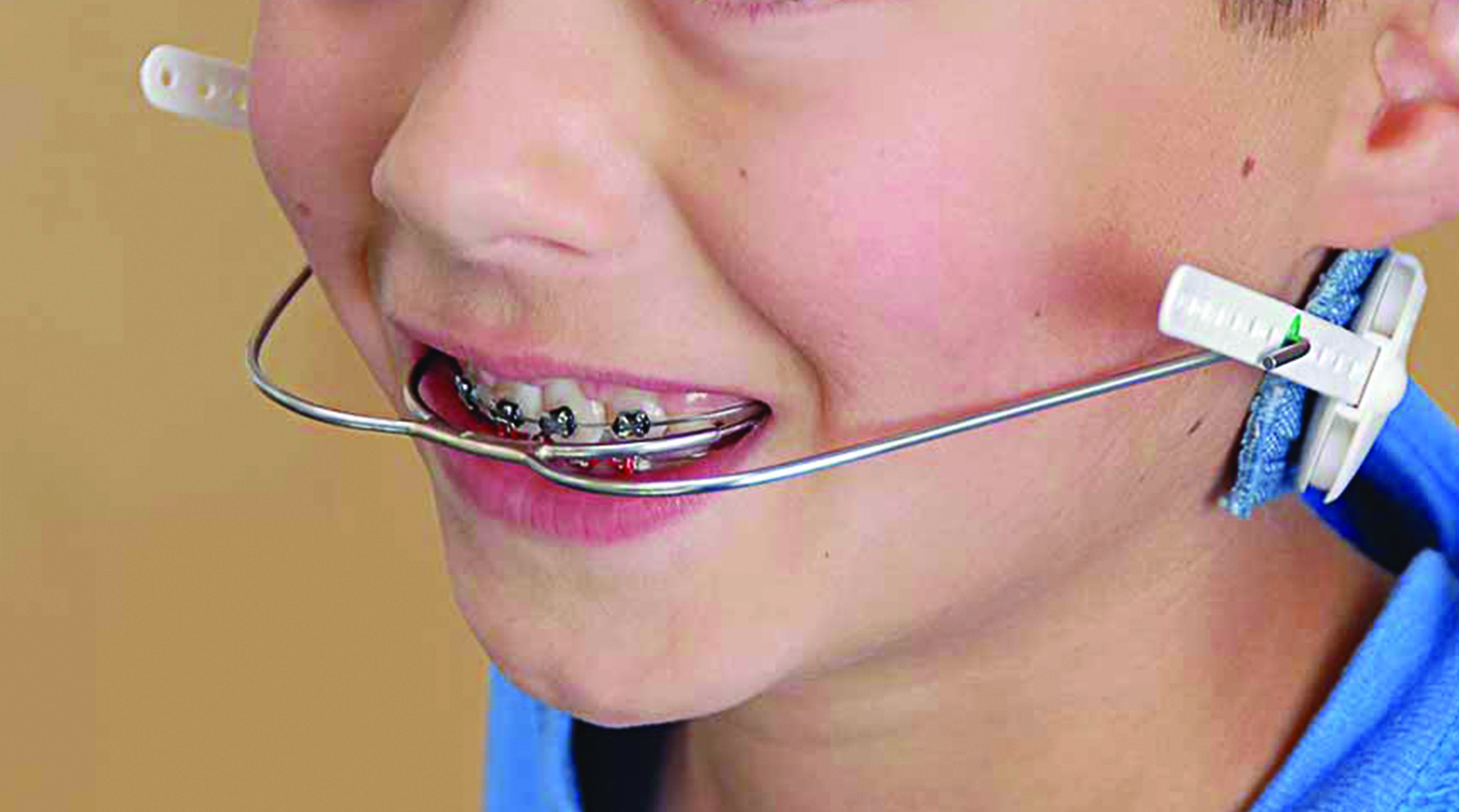
Treatment Duration and Results
Treatment length varies but typically lasts several months to a few years, depending on the severity of the issue, the patient’s growth rate, and compliance. Correctly used headgear can:
>>> See more: https://hoasu6018.wixsite.com/denta...ith-braces-a-helpful-guide-for-braces-wearers
What Is Orthodontic Headgear?
Orthodontic headgear is an external appliance that attaches to braces or bands inside the mouth and uses straps, bows, or helmets around the head or neck to apply controlled force. The device redirects growth and tooth movement by applying steady pressure to teeth and jawbones. There are several headgear types, each designed for specific movement directions and patient needs.
Types of Orthodontic Headgear
- Cervical Pull Headgear: Uses straps around the back of the neck to apply force downward and backward. It’s commonly used to correct overjet (protruding upper teeth) by pulling upper molars back.
- High-Pull Headgear: Wraps over the top of the head to direct force upward and backward. This type helps control vertical growth and reduce excessive lower facial height.
- Combination Headgear: Applies force in both upward and backward directions to control both vertical and horizontal tooth movement.
- Reverse-Pull (Facemask) Headgear: Used primarily for underbite patients (Class III malocclusion). It applies forward force to the upper jaw to encourage forward growth of the maxilla.
Why Orthodontic Headgear Is Used
- Correct jaw discrepancies: Headgear can modify jaw growth in growing children, addressing skeletal issues like overbites or underbites that braces alone cannot fix.
- Retract molars: Moving the molars backward creates space for crowded front teeth, preventing the need for extractions in some cases.
- Control vertical dimension: High-pull headgear helps control excessive downward growth of the upper jaw and can prevent a long facial appearance.
- Improve bite relationships: By altering tooth and jaw positions, headgear contributes to proper bite alignment (occlusion), improving function and aesthetics.
Headgear is most effective in growing children and adolescents whose jaws are still developing. Ideal candidates include:
- Children with significant overjet (protruding upper teeth)
- Patients with skeletal discrepancies where maxillary or mandibular growth must be modified
- Patients recommended by their orthodontist when non-surgical growth modification is preferred over surgery
- Individuals willing to commit to wearing the appliance as prescribed
Headgear applies consistent, gentle force over time. The internal attachment (usually to molar bands or brackets) transmits this force to the teeth and supporting bone. For growing patients, the controlled pressure alters growth patterns of the jawbones, encouraging desirable changes in bone remodeling and tooth position. Success depends on correct design, precise adjustments by the orthodontist, and patient compliance.
Wearing Schedule and Compliance
Orthodontic headgear is most effective when worn as prescribed. Typical wear times range from 12 to 14 hours per day, often overnight and during after-school hours. Less wear time reduces effectiveness and can prolong treatment. Clear communication with the orthodontist about progress, discomfort, or lifestyle concerns helps maintain adherence.
Comfort, Safety, and Practical Tips
- Initial discomfort: Mild soreness or pressure is common during the first few days. Over-the-counter pain relief and short adjustment periods can help.
- Skin irritation: Straps can rub the skin; using a soft pad or adjusting the straps reduces irritation.
- Sleep and activities: Many patients wear headgear while sleeping to meet hourly targets. Avoid sports and rough play while wearing headgear for safety—remove the appliance during physical activities unless supervised.
- Hygiene and care: Clean straps and pads regularly. Follow orthodontist instructions for maintaining the inner attachments and keeping the mouth clean.
- Travel and school: Many patients discreetly remove the headgear during public activities. A protective case helps store it safely when not in use.
- Broken or bent appliance components
- Loose bands or attachments inside the mouth
- Severe or prolonged pain
- Skin breakdown or persistent irritation
Contact your orthodontist promptly if any of these occur. Timely repairs and adjustments prevent treatment delays.
Modern orthodontics offers alternatives that may reduce or eliminate the need for headgear in some cases:
- Functional appliances (e.g., Herbst, Twin Block) for jaw correction
- Temporary anchorage devices (TADs) or mini-implants to provide internal anchorage
- Orthodontic surgery for adults with severe skeletal discrepancies
However, headgear may still be the best choice for certain growth modification cases due to its predictable effects and relative simplicity.
Treatment Duration and Results
Treatment length varies but typically lasts several months to a few years, depending on the severity of the issue, the patient’s growth rate, and compliance. Correctly used headgear can:
- Reduce the need for future surgical intervention
- Improve facial balance and jaw relationships
- Create space to align teeth without extractions
- Enhance long-term stability of orthodontic results
>>> See more: https://hoasu6018.wixsite.com/denta...ith-braces-a-helpful-guide-for-braces-wearers
Bài tương tự bạn quan tâm
Retainers After Braces — Your Complete Guide to...
- Thread starter DentalinVietNam
- Ngày bắt đầu
How Many Units of Botox Do You Need? A Complete...
- Thread starter AestheticSurgery
- Ngày bắt đầu
Can You Get Veneers with Crooked Teeth? A Complete...
- Thread starter DentalinVietNam
- Ngày bắt đầu
What Are the Downsides of a Root Canal? An In-Depth...
- Thread starter DentalinVietNam
- Ngày bắt đầu
What Are the 3 Types of Dental X-rays?
- Thread starter DentalinVietNam
- Ngày bắt đầu
What Can Any Essay Reviser Tool Really Do and Why...
- Thread starter Mike20
- Ngày bắt đầu
