



While it is tempting to think that once you have your "new teeth" the journey is over, I want to dedicate this post to the potential risks and "red flags" that every patient must be aware of regarding their removable appliances. The idea that removable dentures are a "once and done" solution is a dangerous myth that can lead to permanent damage to your jawbone and your remaining teeth. We must prioritize biological reality over the comfort of a "stable" old prosthetic. If you are struggling with a plate that won't stay in place, you aren't just dealing with an inconvenience—you are dealing with a potential health risk.
A suspiciously "loose" fit is your first warning sign. If a clinic tells you that you just need more adhesive, they might be ignoring the basics of oral pathology. One of the most devastating outcomes of "budget" removable dentures is the accelerated loss of bone. When a plate moves around, it acts like sandpaper on your gums and the underlying bone. This friction causes the bone to recede even faster, making it harder and harder to wear any kind of prosthetic in the future.
See more: http://storyhealthyliving.weebly.com/home/removable-dentures
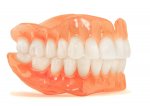 Identifying Red Flags and Immediate Risks of Ill-Fitting Plates
Potential complications to consider:
Read more: https://dentalinvietnam.com/removable-denture/
 Furthermore, keep in mind that "DIY Reliners" from the pharmacy are a major red flag. If you try to fix the fit yourself, you can permanently change your bite and cause the remaining teeth to shift. Don't trade your structural integrity for a "wait and see" approach based on internet myths. Make sure you have a plan for professional monitoring, and if you have any "pounding" sensation in the gums or a sore that doesn't heal in two weeks, call your dentist immediately. Removable dentures are a medical device, and they require professional maintenance just like any other part of your healthcare.
Safety Warning: This post is intended to highlight potential risks and encourage caution. It is not medical advice. Dental prosthetics are medical devices. Always consult a licensed and qualified dentist if a restoration feels loose or if you experience localized pain that does not subside.
A suspiciously "loose" fit is your first warning sign. If a clinic tells you that you just need more adhesive, they might be ignoring the basics of oral pathology. One of the most devastating outcomes of "budget" removable dentures is the accelerated loss of bone. When a plate moves around, it acts like sandpaper on your gums and the underlying bone. This friction causes the bone to recede even faster, making it harder and harder to wear any kind of prosthetic in the future.
See more: http://storyhealthyliving.weebly.com/home/removable-dentures
Potential complications to consider:
- Fungal Infections (Thrush): If you don't clean your removable dentures properly or if you wear them 24/7, yeast can grow under the plate, leading to painful red sores.
- Angular Cheilitis: If the dentures have worn down and your mouth "over-closes," saliva can pool at the corners of your lips, causing painful cracks and infections.
- Oral Cancer Masking: A poorly fitting denture can cause sores that look like "simple" irritation but could actually be masking more serious tissue changes.
Read more: https://dentalinvietnam.com/removable-denture/
Safety Warning: This post is intended to highlight potential risks and encourage caution. It is not medical advice. Dental prosthetics are medical devices. Always consult a licensed and qualified dentist if a restoration feels loose or if you experience localized pain that does not subside.
Bài tương tự bạn quan tâm
A Global Look at success rates and whether can you...
- Thread starter Shark Dental Clinic
- Ngày bắt đầu
The hidden dangers when you choose a "Cheap"...
- Thread starter Shark Dental Clinic
- Ngày bắt đầu
The hidden dangers when you try scaling teeth at...
- Thread starter Shark Dental Clinic
- Ngày bắt đầu
The technical reality of what are mini dental implants
- Thread starter Shark Dental Clinic
- Ngày bắt đầu
A Biomechanical Analysis of Soft Tissue Shaping...
- Thread starter Shark Dental Clinic
- Ngày bắt đầu
Emergency home protocols: What should be the first...
- Thread starter Shark Dental Clinic
- Ngày bắt đầu
