



In the field of advanced implantology, the transition from surgical osseointegration to prosthetic restoration is a delicate phase that requires precise soft tissue management. Recently, I have been examining the clinical efficacy of the dental implant healing abutment through the lens of gingival architecture. While the patient focuses on the final tooth, the clinician must focus on the "emergence profile." The success of a titanium restoration is determined not just by the bone bonding, but by the seamless integration of the fixture into the soft tissue, and the dental implant healing abutment is the primary tool used to achieve this.
When we analyze the dental implant healing abutment, we are looking at a component designed to facilitate the formation of a "sulcus." If the surgeon uses a cap that is too narrow, the final crown will look "pinched" at the gum line. Conversely, if it is too wide, it may put excessive pressure on the crestal bone. Unlike the NHS model in the UK, which often prioritizes functional over aesthetic outcomes in subsidized care, the global private market has pushed the boundaries of "customized" healing caps. These are often CAD/CAM-milled to match the exact cross-section of the tooth being replaced.
Read more: https://dentalinvietnam.com/dental-implant-healing-abutment/
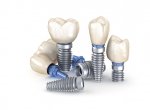 Force Vectors and Gingival Cuff Formation
The primary driver of success during the weeks following the placement of a dental implant healing abutment is the formation of a keratinized gingival cuff. This cuff acts as a barrier against anaerobic bacteria. From a technical standpoint, the choice between a titanium cap and a zirconia cap is also a clinical decision. Zirconia offers superior soft tissue attachment but is more brittle. Many leading practitioners, including those at the Mayo Clinic, emphasize that the "biotype" of the patient—whether their gums are thick or thin—should dictate the size and shape of the abutment selected.
Factors influencing the structural integrity of the gingival seal:
See more: https://storyhealthyliving.weebly.c...-review-of-who-should-not-get-dental-implants
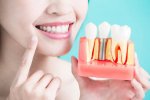 In conclusion, the clinical standards for soft tissue contouring are increasingly mirroring biological engineering benchmarks. The value of the dental implant healing abutment lies in its ability to protect the internal screw of the implant from food debris while simultaneously sculpting the gums. It is always prudent to ask your surgeon about the "scalloping" of your gums, as this will determine the final "smile line" aesthetics.
Professional Disclaimer: This clinical analysis is for informational purposes and should not be used as a substitute for a diagnosis from a qualified dentist. Implant procedures carry inherent surgical risks. Always seek a professional consultation before undergoing treatment.
When we analyze the dental implant healing abutment, we are looking at a component designed to facilitate the formation of a "sulcus." If the surgeon uses a cap that is too narrow, the final crown will look "pinched" at the gum line. Conversely, if it is too wide, it may put excessive pressure on the crestal bone. Unlike the NHS model in the UK, which often prioritizes functional over aesthetic outcomes in subsidized care, the global private market has pushed the boundaries of "customized" healing caps. These are often CAD/CAM-milled to match the exact cross-section of the tooth being replaced.
Read more: https://dentalinvietnam.com/dental-implant-healing-abutment/
The primary driver of success during the weeks following the placement of a dental implant healing abutment is the formation of a keratinized gingival cuff. This cuff acts as a barrier against anaerobic bacteria. From a technical standpoint, the choice between a titanium cap and a zirconia cap is also a clinical decision. Zirconia offers superior soft tissue attachment but is more brittle. Many leading practitioners, including those at the Mayo Clinic, emphasize that the "biotype" of the patient—whether their gums are thick or thin—should dictate the size and shape of the abutment selected.
Factors influencing the structural integrity of the gingival seal:
- Torque Requirements: Ensuring the abutment is tightened to at least 10-15 Ncm to prevent loosening during the healing weeks.
- Height Selection: Choosing a dental implant healing abutment that sits 2-3mm above the gum line to allow for easy cleaning.
- Soft Tissue Integration: Avoiding any trauma to the "biological width" during the transition from the cap to the final crown.
See more: https://storyhealthyliving.weebly.c...-review-of-who-should-not-get-dental-implants
Professional Disclaimer: This clinical analysis is for informational purposes and should not be used as a substitute for a diagnosis from a qualified dentist. Implant procedures carry inherent surgical risks. Always seek a professional consultation before undergoing treatment.
Bài tương tự bạn quan tâm
Emergency home protocols: What should be the first...
- Thread starter Shark Dental Clinic
- Ngày bắt đầu
Synthesizing the Data: A Global Comparison of...
- Thread starter Shark Dental Clinic
- Ngày bắt đầu
A Biomechanical Analysis of Peri-implantitis and...
- Thread starter Shark Dental Clinic
- Ngày bắt đầu
Researching restorative options: Does anyone have...
- Thread starter Shark Dental Clinic
- Ngày bắt đầu
Analyzing the standard teeth whitening cost in...
- Thread starter Shark Dental Clinic
- Ngày bắt đầu
Phòng khám đa khoa 114 Trần Đình Xu - kín đáo, riêng tư
- Thread starter pkdakhoavk
- Ngày bắt đầu
