



In the field of advanced implantology, the success of a titanium restoration is determined by the seamless integration of the fixture into the alveolar bone, a process known as osseointegration. However, as practitioners, we must also focus on the potential complications that arise when this biological seal is compromised. Recently, I have been examining the side effects of dental implants through a biomechanical lens, specifically focusing on how the "micro-gap" between the implant and the abutment can become a reservoir for anaerobic bacteria.
When we analyze the side effects of dental implants, we must categorize them by the timeline of occurrence. Early-stage complications are usually surgical, such as edema, hematoma, or primary stability failure. Late-stage complications, however, are often related to the host's immune response and the structural integrity of the prosthesis. Unlike the natural tooth, which is protected by the periodontal ligament (PDL), an implant is directly fused to the bone. This lack of a PDL means that occlusal trauma—too much pressure from biting—is transmitted directly to the bone, which can lead to rapid resorption if the bite is not perfectly balanced.
Biological Integration and Inflammatory Responses
The primary driver of late-stage implant complications is peri-implantitis. From a technical standpoint, this is a progressive inflammatory disease that affects the tissues surrounding the implant. If left untreated, the side effects of dental implants can escalate from simple gum swelling to total bone loss around the screw. To understand the broader infrastructure of dental care and maintenance in regions where these surgeries are common, you can look into this data:
See more: https://dentalinvietnam.com/ultrasonic-teeth-cleaning/
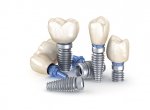 Factors influencing the structural integrity of the implant:
Read more: https://sites.google.com/view/radiant-smile/categories/dental-implant/benefits-of-dental-implants
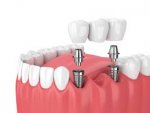 Furthermore, organizations like the Mayo Clinic often point out that systemic factors, such as uncontrolled diabetes or heavy smoking, significantly alter the success of the procedure. Smoking, in particular, restricts blood flow to the gums, which is one of the leading causes of early implant failure. Therefore, for patients with high-risk profiles, the diagnostic phase must be much more rigorous.
In conclusion, the clinical standards for implant rehabilitation are increasingly mirroring global engineering benchmarks. The value proposition lies in the ability to provide a fixed solution, but the longevity of that solution is contingent on the clinician's ability to manage the delicate interface between metal and living tissue.
Professional Disclaimer: This clinical analysis is for informational purposes and should not be used as a substitute for a diagnosis from a qualified dentist. Implant procedures carry inherent surgical risks, including infection and nerve trauma. Always seek a professional consultation before undergoing treatment.
When we analyze the side effects of dental implants, we must categorize them by the timeline of occurrence. Early-stage complications are usually surgical, such as edema, hematoma, or primary stability failure. Late-stage complications, however, are often related to the host's immune response and the structural integrity of the prosthesis. Unlike the natural tooth, which is protected by the periodontal ligament (PDL), an implant is directly fused to the bone. This lack of a PDL means that occlusal trauma—too much pressure from biting—is transmitted directly to the bone, which can lead to rapid resorption if the bite is not perfectly balanced.
Biological Integration and Inflammatory Responses
The primary driver of late-stage implant complications is peri-implantitis. From a technical standpoint, this is a progressive inflammatory disease that affects the tissues surrounding the implant. If left untreated, the side effects of dental implants can escalate from simple gum swelling to total bone loss around the screw. To understand the broader infrastructure of dental care and maintenance in regions where these surgeries are common, you can look into this data:
See more: https://dentalinvietnam.com/ultrasonic-teeth-cleaning/
- Bone Density Mapping: Utilizing CBCT scans to ensure the implant is surrounded by at least 2mm of healthy bone.
- Material Biocompatibility: While Grade 5 Titanium is standard, some patients may exhibit a hypersensitivity to the trace elements in the alloy.
- Soft Tissue Seal: Ensuring a thick band of keratinized gingiva around the crown to act as a barrier.
Read more: https://sites.google.com/view/radiant-smile/categories/dental-implant/benefits-of-dental-implants
In conclusion, the clinical standards for implant rehabilitation are increasingly mirroring global engineering benchmarks. The value proposition lies in the ability to provide a fixed solution, but the longevity of that solution is contingent on the clinician's ability to manage the delicate interface between metal and living tissue.
Professional Disclaimer: This clinical analysis is for informational purposes and should not be used as a substitute for a diagnosis from a qualified dentist. Implant procedures carry inherent surgical risks, including infection and nerve trauma. Always seek a professional consultation before undergoing treatment.
Bài tương tự bạn quan tâm
Botox for Neck Strings: Effectiveness, Recovery...
- Thread starter AestheticSurgery
- Ngày bắt đầu
How Many Units of Botox for Forehead Lines Do You...
- Thread starter AestheticSurgery
- Ngày bắt đầu
What is Masseter Botox? A Complete Guide for...
- Thread starter AestheticSurgery
- Ngày bắt đầu
Eyelid Surgery Recovery: Realistic Results and...
- Thread starter AestheticSurgery
- Ngày bắt đầu
How Long Does Masseter Botox Last and How to Make...
- Thread starter AestheticSurgery
- Ngày bắt đầu
Masseter Botox Side Effects: Can It Lead to Lower...
- Thread starter AestheticSurgery
- Ngày bắt đầu
